
Services
Storage, processing, and biomarker analysis
The Biobank stores and distributes biospecimens from ACTC clinical trials and longitudinal cohort studies. The laboratory alongside it runs the assays those studies depend on.
The collection
What the collection holds
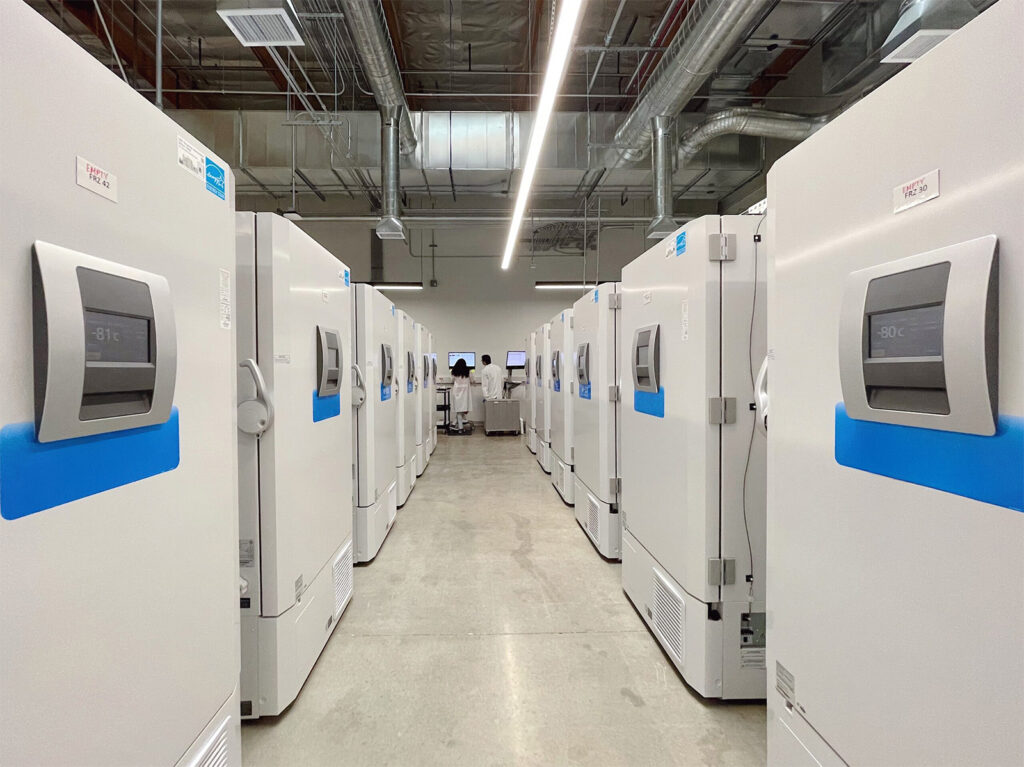
The repository holds biospecimens collected from ACTC clinical trials and longitudinal cohort studies, stored in monitored −80 °C freezers at the USC Epstein Family Alzheimer’s Therapeutic Research Institute (ATRI) in San Diego. Specimens are received, processed, cataloged and released under a single chain of custody.
The collection includes cerebrospinal fluid (CSF), whole blood, plasma, serum, DNA, buffy coats and urine. Specimens are held with the clinical, genetic and bioassay data recorded alongside them.
What is available at any given time depends on the study a specimen came from, and some collections are embargoed while that study is ongoing.
Storage
How specimens are stored
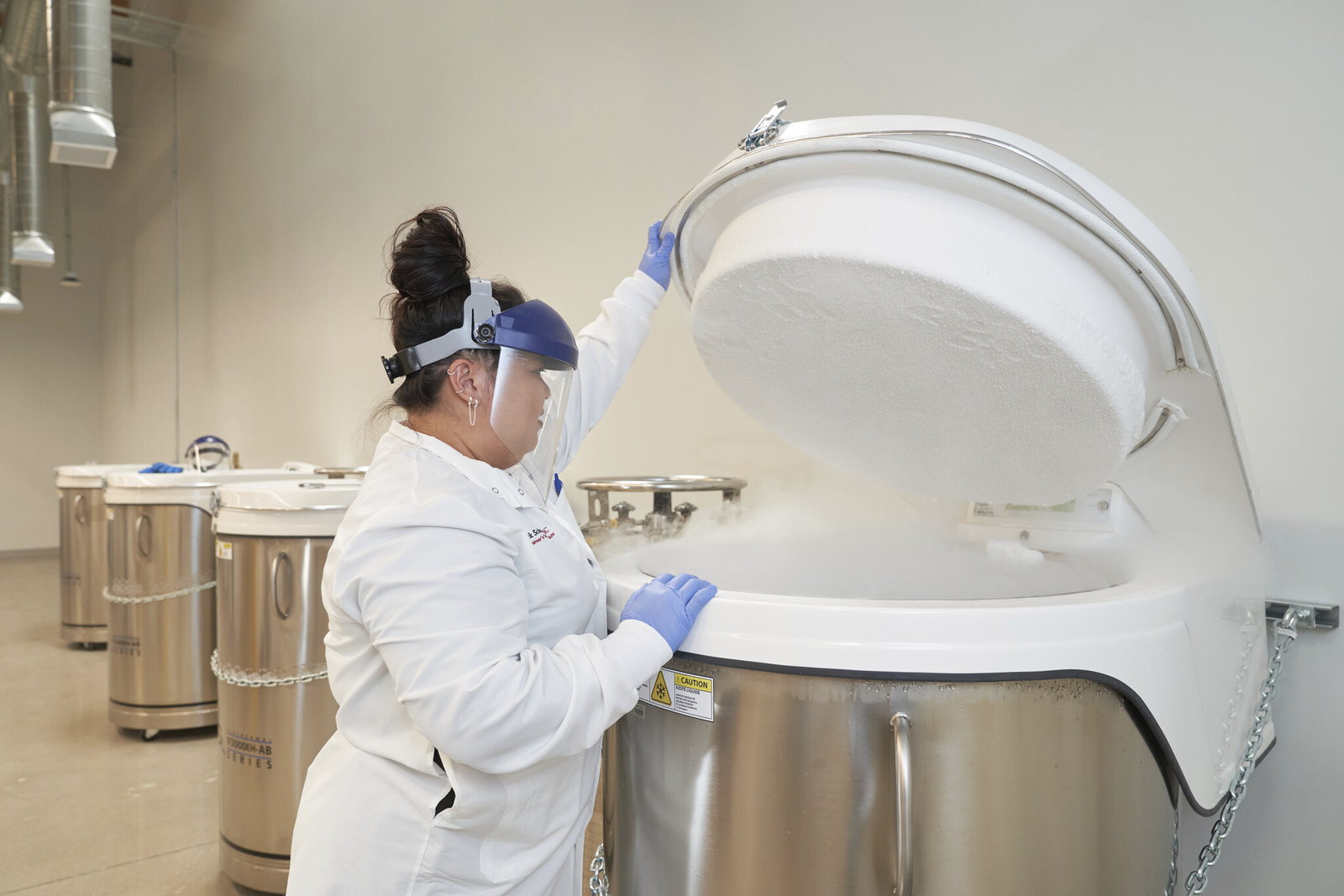
Specimens are held at ATRI in two environments: monitored −80 °C freezers, and liquid nitrogen for material that requires colder storage.
Processing
What happens when specimens arrive
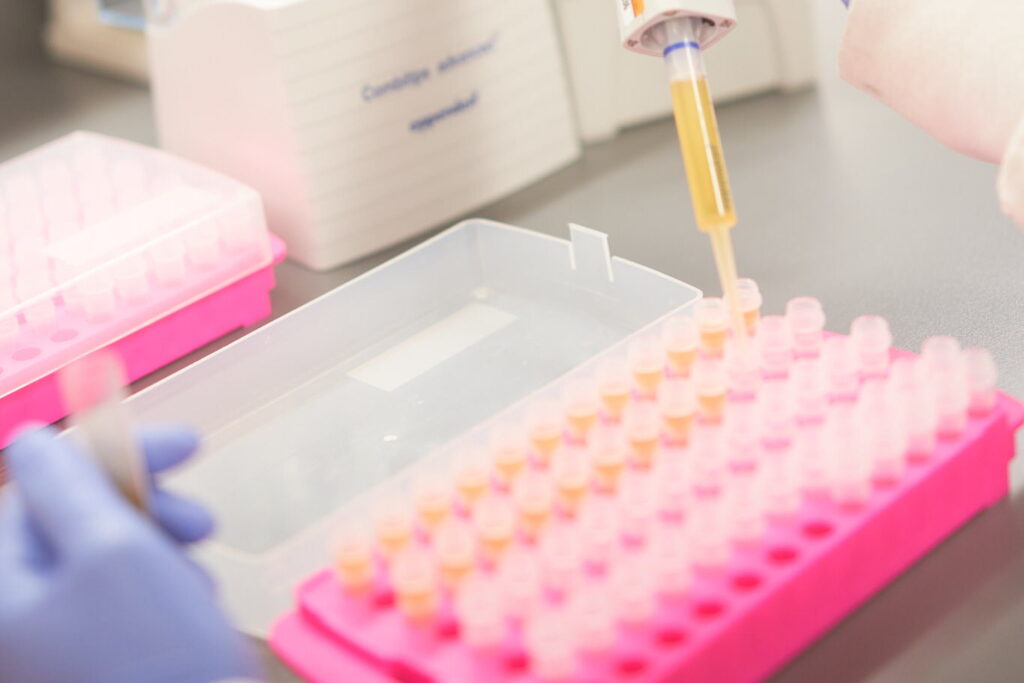
Incoming shipments are received, checked against the manifest and logged into the repository’s inventory system. Specimens are processed and aliquoted according to the study’s collection protocol, then barcoded and placed into storage.
The same team handles study setup and site training, so collection protocols and downstream analysis are designed together rather than reconciled afterward. For a trial running across dozens of sites, that is what keeps specimens comparable to one another.
Analysis
Biomarker assays
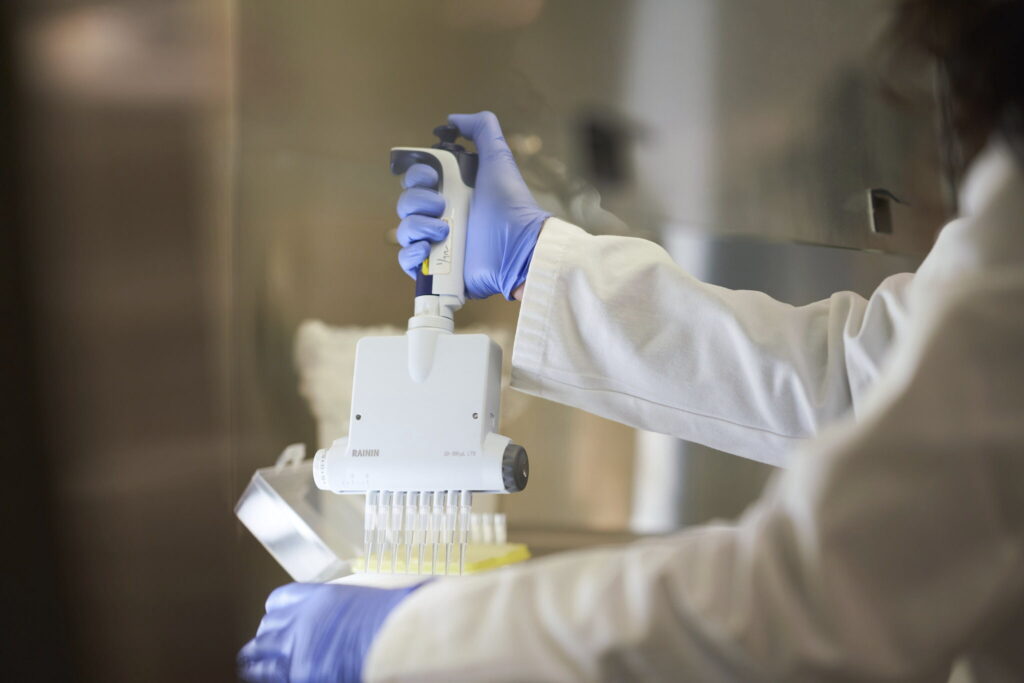
The Biomarker Laboratory and Biorepository runs single-analyte and multiplex assays on plasma and CSF in the same building as the collection. The assays exist to identify biomarkers of preclinical Alzheimer’s disease and to understand how treatment affects them.
Because the assays and the collection protocols are designed by the same group, analysis is planned against the way the specimens were actually collected rather than around it.
Start a request
Whether you are requesting specimens for a study or looking to bank specimens from one, the ACTC Biobank is the right place to start. Send us a request to get started.